Basket
Clean basketTotal:
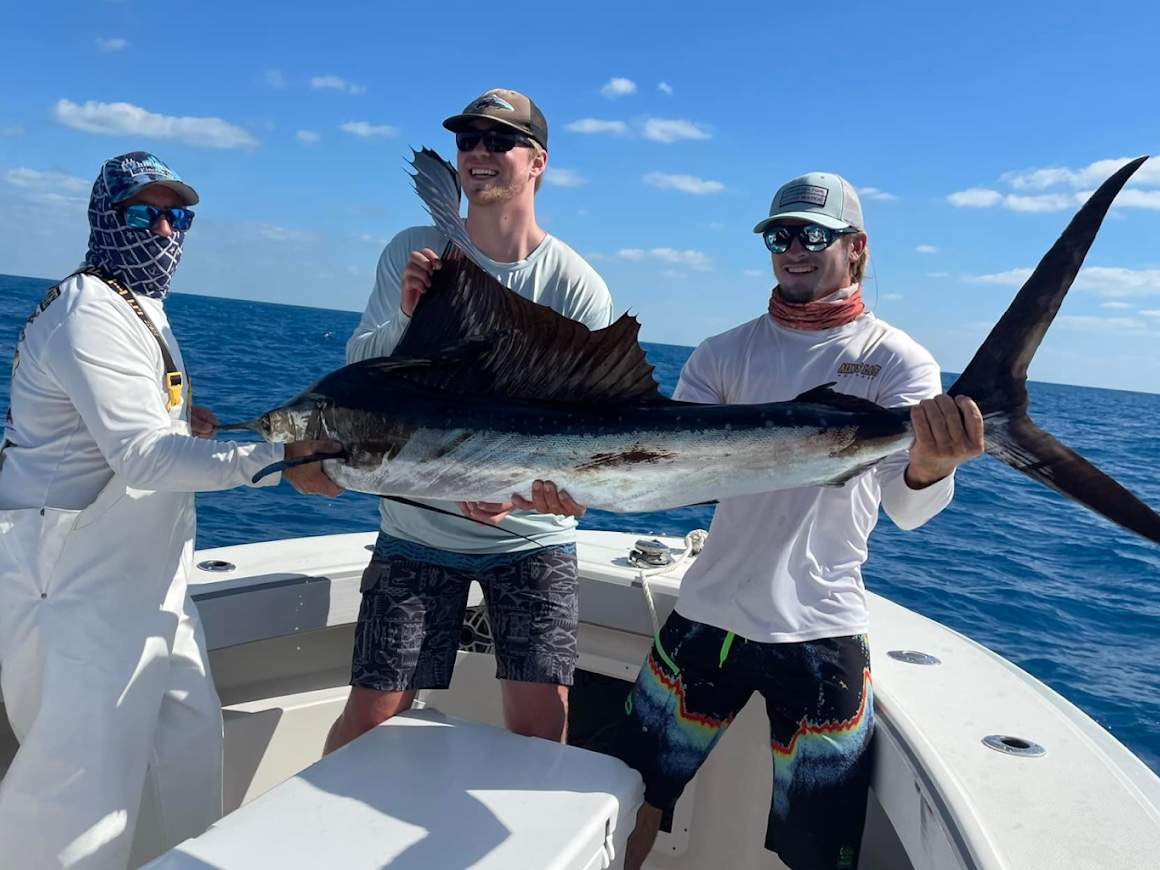 Artificial reefs have become a powerful part of modern fishing, quietly transforming how and where anglers find success. Instead of relying only on natural underwater structures, many fishing regions now use man-made reefs to create new habitats, attract marine life, and improve overall fishing opportunities. For anglers planning trips through Key West Fishing Charters , ...
Artificial reefs have become a powerful part of modern fishing, quietly transforming how and where anglers find success. Instead of relying only on natural underwater structures, many fishing regions now use man-made reefs to create new habitats, attract marine life, and improve overall fishing opportunities.
For anglers planning trips through Key West Fishing Charters, this means more consistent fishing zones, better access to productive areas, and a structured environment where fish activity is easier to predict.
Artificial reefs are human-made structures placed on the ocean floor to mimic the function of natural reefs. These can include specially designed concrete modules, sunken vessels, or other durable materials that create shelter and feeding grounds for marine life.
They are developed for multiple purposes:
Supporting marine ecosystems
Expanding fish habitats
Reducing pressure on natural reefs
Enhancing fishing and diving opportunities
Over time, these structures become fully integrated into the marine environment.
Artificial reefs work because they create structure in otherwise open areas. Fish are naturally drawn to structure for protection, feeding, and breeding.
The process typically follows a pattern:
Small organisms attach to the reef surface
Bait fish gather to feed on these organisms
Larger predator fish move in to hunt
This layered ecosystem turns artificial reefs into active fishing zones.
Artificial reefs make fishing more predictable compared to open water. Instead of searching large areas, anglers can focus on known reef locations where fish activity is concentrated.
Key advantages include:
Higher chances of locating fish quickly
Reduced time spent searching for productive areas
More consistent results across trips
This makes them especially valuable for both beginners and experienced anglers.
In many regions, natural fishing spots are limited or overused. Artificial reefs help expand available fishing areas without relying solely on existing ecosystems.
This leads to:
Increased fishing access in new locations
Less competition in traditional hotspots
More balanced distribution of fishing activity
For anglers, this means more options and less pressure in crowded areas.
Artificial reefs play an important role in sustainability. By creating additional habitats, they help reduce strain on natural reefs and support marine life growth.
Their impact includes:
Encouraging fish population recovery
Providing safe breeding grounds
Promoting balanced ecosystems
Responsible use of these reefs helps maintain long-term fishing opportunities.
Modern fishing technology has made it easier to locate and fish around artificial reefs. GPS mapping and sonar systems allow anglers to identify reef positions with precision.
This results in:
Accurate navigation to reef locations
Better understanding of underwater structure
Improved targeting of fish around the reef
Technology and artificial reefs together create a more efficient fishing experience.
Fishing near artificial reefs requires a slightly different approach compared to open water.
Effective strategies include:
Bottom fishing to target species near the structure
Controlled drifting to move bait naturally across the reef
Precise casting to avoid snagging while staying close to fish
Adapting your technique to the reef environment improves results.
Many professional charters rely heavily on artificial reefs as part of their strategy. Captains often maintain detailed knowledge of reef locations and fish activity patterns.
Platforms like Reel Guides Fishing Charters help anglers connect with experienced guides who know how to fish these structures effectively.
This guidance reduces guesswork and increases efficiency during trips.
While artificial reefs offer advantages, they also come with certain challenges.
Common issues include:
Risk of gear getting caught in structure
Need for precise boat positioning
Increased competition in well-known reef locations
Understanding these challenges helps anglers prepare properly.
Artificial reef programs continue to expand as more regions recognize their value. With improved design and placement strategies, these structures are becoming even more effective.
Future developments may include:
More advanced reef designs for specific species
Better integration with conservation efforts
Increased use in recreational fishing management
These improvements will further enhance fishing opportunities.
Artificial reefs have become an essential part of modern fishing by creating structured environments that attract and support marine life. They offer anglers more reliable fishing locations, reduce pressure on natural habitats, and contribute to sustainable fishing practices.
By understanding how artificial reefs function and how to fish around them, anglers can take full advantage of these man-made ecosystems and improve both their experience and results on the water.

0no comments yet
Please type the two words below