Basket
Clean basketTotal:
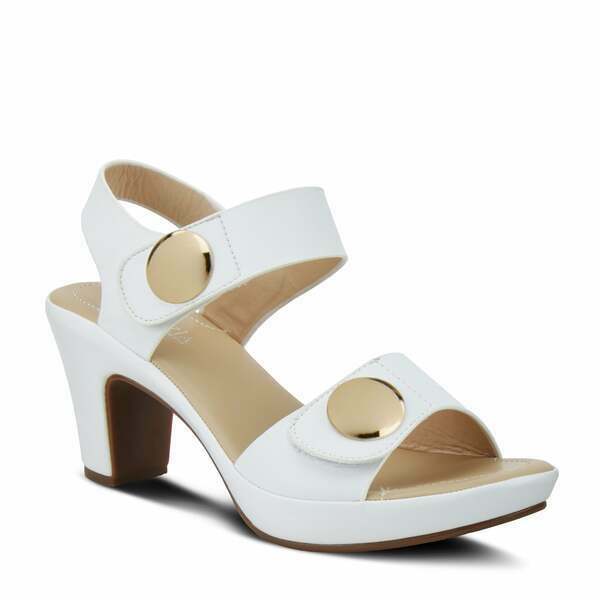
Looking to add elegance and style to your wardrobe? High heel shoes heels are a must-have for every woman. Not only do they make your legs look longer, but they also boost confidence and give your outfit a polished touch. From casual parties to formal events, footwear with heels can transform your look instantly.
Choosing the right women's high heels can be tricky, but once you find the perfect pair, it becomes an essential part of your daily style. In this article, we’ll explore the different types of high heel shoes heels, tips for wearing them comfortably, and why they are so popular in women’s fashion.
When it comes to women's high heels, there are many options to suit every style and occasion. Here are some popular types:
Stiletto high heel shoes heels own for their thin, long heel. They add height and elegance, making them perfect for evening events or fancy dinners.
Footwear with heels like block heels offer more stability. They are easier to walk in and great for office wear or casual outings.
Kitten heels are small and comfortable, yet stylish. If you want the charm of high heel shoes heels without the strain, these are a great choice.
Wedge heels distribute weight evenly, making them comfortable for long hours. They look chic and work well with dresses, skirts, or even jeans.
Platform women's high heels have a thicker base under the toes. They add height while reducing pressure on your feet, perfect for parties or nights out.
Choosing the right high heel shoes heels is essential for comfort and style. Here are some tips:
Know Your Size: Always pick heels that fit your feet perfectly. Tight shoes can cause pain, while loose ones may lead to blisters.
Consider the Occasion: Not all women's high heels are for every event. Stilettos for parties, block heels for work, and wedges for casual outings.
Check Heel Height: Beginners may prefer lower heels. As you get used to walking in heels, you can try higher styles.
Comfort Matters: Look for cushioned insoles or soft materials that make footwear with heels easier to wear all day.
Style & Color: Match your high heel shoes heels with your outfit. Neutral colors go with almost anything, while bright heels add a pop of style.
Wearing high heel shoes heels does more than just look stylish. Here are some benefits:
Boosts Confidence: Standing tall and walking gracefully can improve your confidence.
Enhances Posture: Properly designed heels encourage a straighter posture.
Adds Elegance: Heels make legs look longer and outfits appear polished.
Versatile Fashion: From casual to formal, footwear with heels suits every occasion.
Walking in heels can be challenging at first, but with practice, it becomes natural. Follow these tips:
Start Small: Begin with shorter heels and gradually move to higher ones.
Take Small Steps: Don’t rush; smaller steps help maintain balance.
Heel to Toe: Step with your heel first, then roll onto your toes for a smoother walk.
Strengthen Your Feet: Exercises like calf raises can improve balance and reduce foot strain.
Use Insoles: Cushioned insoles make women's high heels more comfortable for long wear.
Proper care ensures your high heel shoes heels last longer. Here’s how to take care of them:
Clean Regularly: Use a soft cloth to remove dust and dirt.
Store Properly: Keep heels upright or in a box to maintain shape.
Avoid Wet Surfaces: Water can damage leather and other materials.
Check Heel Tips: Replace worn-out tips to prevent slips and damage.
High heel shoes heels are versatile and suitable for:
Work & Office: Block heels or kitten heels offer comfort and professionalism.
Parties & Events: Stilettos and platform heels make a stylish statement.
Casual Outings: Wedges or low heels give a chic, relaxed look.
Special Celebrations: Weddings, anniversaries, and dates are perfect for elegant heels.
Q1: How do I choose the right heel height?
A1: Start with lower heels if you’re new. Gradually try higher styles as you get comfortable. Always prioritize comfort.
Q2: Can I wear heels all day?
A2: Yes, but choose cushioned and stable heels like block or wedge heels to reduce strain. Take breaks if needed.
Q3: How do I prevent blisters in high heels?
A3: Make sure your shoes fit properly, use cushioned insoles, and break them in slowly before long wear.
Conclusion
High heel shoes heels are more than just footwear—they are a style statement. From formal events to casual outings, the right footwear with heels can elevate your confidence and complete your look. By choosing the right pair, practicing walking, and caring for your heels, you can enjoy the elegance and charm of women's high heels every day.
Embrace the beauty of heels and step into every occasion with style and confidence!
Deep cycle batteries are an indispensable part of energy storage systems, providing a dependable power source for various applications. From renewable energy setups to marine and RV use, these batteries are designed to deliver steady energy over long periods. But how do they work, and why are they so essential? Let’s dive deep to understand their capabilities and benefits.
Deep cycle batteries are a type of rechargeable battery engineered to deliver consistent power over extended periods. Unlike starter batteries, which provide a quick burst of energy, deep cycle batteries are designed for sustained energy output, making them ideal for applications like solar energy storage, golf carts, and electric vehicles.
According to industry experts, "Deep cycle batteries are the backbone of modern off-grid systems due to their reliability and efficiency."
Deep cycle batteries come in various forms, each suited for specific needs.
Understanding the differences helps in choosing the right type for your specific application.
Deep cycle batteries serve a wide range of purposes.
Their versatility and reliability make them a preferred choice for both residential and commercial use.
The mechanism behind deep cycle batteries is straightforward yet efficient. They are designed to discharge up to 80% of their capacity without affecting performance. Unlike other batteries, their thicker plates and dense material allow for more cycles of charging and discharging.
Choosing deep cycle batteries comes with several advantages:
| Feature | Deep Cycle Batteries | Starter Batteries |
|---|---|---|
| Energy Output | Steady and prolonged | Short bursts |
| Lifespan | Longer | Shorter |
| Maintenance | Depends on type | Moderate |
| Common Usage | Renewable energy, marine | Cars and trucks |
When deciding between the two, consider your energy needs and usage patterns.
Proper maintenance can extend the lifespan of deep cycle batteries.
Renewable energy systems rely heavily on deep cycle batteries for energy storage. Their ability to provide a steady power supply even during cloudy or windless days makes them ideal for off-grid solar and wind setups.
While deep cycle batteries offer many benefits, they also have limitations:
Despite these challenges, their advantages often outweigh the drawbacks.
When purchasing deep cycle batteries, consider these factors:
Some of the leading names in the market include:
Each brand offers unique features tailored to different applications.
As renewable energy adoption grows, deep cycle batteries will play a critical role in ensuring reliable energy storage. Advances in battery technology, particularly lithium-ion models, promise even greater efficiency and lifespan in the future.
What are deep cycle batteries used for?
Deep cycle batteries are used for applications requiring sustained power, such as renewable energy systems, marine use, and electric vehicles.
How long do deep cycle batteries last?
The lifespan depends on the type and usage, but most last between 3-10 years with proper maintenance.
Are deep cycle batteries expensive?
While they can have a high upfront cost, their longevity and efficiency make them a cost-effective choice in the long run.
Can I use a deep cycle battery in my car?
No, deep cycle batteries are designed for steady energy output, unlike starter batteries made for quick bursts of energy.
How do I maintain a deep cycle battery?
Regularly charge the battery, check water levels (for flooded models), clean terminals, and store them in a cool, dry place.
Which is better: gel or lithium-ion deep cycle batteries?
Lithium-ion batteries offer longer lifespans and are lighter, but gel batteries are more affordable and low maintenance.
Conclusion
Deep cycle batteries are a cornerstone of modern energy solutions, offering efficiency, reliability, and sustainability. By understanding their types, benefits, and maintenance needs, you can make an informed decision to meet your energy requirements. Whether for renewable energy or recreational use, they remain a trusted choice for steady power.
Reducing vehicle emissions has become a global priority, and Ad Blue plays a key role in meeting this challenge. As a specialized fluid designed for diesel engines, it helps minimize nitrogen oxide (NOx) emissions, ensuring vehicles comply with stringent environmental standards. Understanding how it works, its importance, and how to handle it properly can save you money and keep your vehicle running efficiently.
In this article, we’ll break down everything you need to know about Ad Blue, including its composition, benefits, and proper usage.
Ad Blue is a high-purity urea solution used in diesel vehicles equipped with Selective Catalytic Reduction (SCR) technology. The fluid is injected into the exhaust system, where it reacts with harmful NOx gases, converting them into harmless nitrogen and water vapor. This process significantly reduces air pollution and ensures compliance with emission regulations.
The operation of Ad Blue is both simple and effective:
This reaction helps vehicles meet Euro 6 emission standards, which aim to reduce NOx emissions by nearly 80%.
Lower Environmental Impact
By reducing harmful NOx emissions, Ad Blue contributes to cleaner air and a healthier environment.
Compliance with Regulations
Many countries mandate the use of emission-reduction technologies. Using Ad Blue ensures your vehicle stays compliant.
Improved Fuel Efficiency
SCR systems paired with Ad Blue can improve engine efficiency, reducing fuel consumption.
Enhanced Longevity of Diesel Engines
Cleaner exhaust systems often translate to reduced engine wear and maintenance costs.
Ad Blue is not limited to personal vehicles; it is widely used in commercial and industrial sectors:
Refilling Ad Blue is straightforward but requires some care:
To maintain the effectiveness of Ad Blue, proper storage is essential:
Myth: All diesel vehicles need Ad Blue.
Fact: Only vehicles with SCR technology require Ad Blue.
Myth: Adding more Ad Blue boosts performance.
Fact: Overfilling has no benefits and may damage the system.
Myth: Any urea solution can replace Ad Blue.
Fact: Only certified Ad Blue meets quality standards for SCR systems.
Governments worldwide have introduced stringent emission standards to combat air pollution:
Compliance with these regulations is impossible without technologies like SCR and Ad Blue.
On average, Ad Blue costs between $0.50 and $1 per liter, depending on location and quantity purchased. Larger volumes typically offer better value, making it cost-effective for fleet operators.
If the Ad Blue tank runs dry, most vehicles equipped with SCR systems will:
Consider these factors when selecting Ad Blue:
While Ad Blue and DEF are often used interchangeably, they serve the same purpose. The difference lies in branding:
Both adhere to the same chemical composition and standards.
By facilitating NOx reduction, Ad Blue significantly improves air quality. Cities using SCR-equipped public transportation systems have reported up to 50% reductions in NOx pollution.
What is the shelf life of Ad Blue?
Typically, Ad Blue has a shelf life of one year when stored under recommended conditions.
Can I mix different brands of Ad Blue?
Yes, but ensure both brands meet ISO 22241 standards to prevent system issues.
How much Ad Blue does a vehicle consume?
On average, vehicles use 1-2 liters of Ad Blue for every 100 kilometers driven.
Does Ad Blue affect engine performance?
No, Ad Blue does not directly influence engine performance but ensures compliance with emission standards.
Is Ad Blue toxic?
No, Ad Blue is non-toxic and safe to handle, but avoid ingestion or skin contact.
Can I use water instead of Ad Blue?
No, water lacks the chemical properties necessary for NOx reduction.
Ad Blue has revolutionized emission control for diesel vehicles, making our air cleaner and ensuring compliance with environmental laws. By understanding its role and following proper usage guidelines, you can maximize its benefits while minimizing costs. Whether you’re a personal car owner or a fleet operator, embracing Ad Blue is a step towards a sustainable future.
Lithium has become a cornerstone of modern technology, playing a vital role in industries ranging from energy storage to healthcare. Known for its lightweight properties and high energy density, lithium powers the devices we rely on daily. From your smartphone to electric vehicles (EVs), this versatile element is shaping the future. But what exactly is lithium, and why is it so significant?
Lithium, a soft, silvery-white metal, is the lightest of all solid elements. Classified as an alkali metal, it reacts swiftly with water and air, showcasing its unique chemical behavior. This element, represented by the symbol "Li" on the periodic table, boasts an atomic number of three. Its natural abundance and reactivity make it a valuable resource for various industries.
These properties make lithium indispensable for cutting-edge innovations.
One of the most impactful uses of lithium is in batteries. Lithium-ion (Li-ion) batteries have revolutionized how we store and use energy.
The International Energy Agency (IEA) predicts that global demand for lithium will increase by over 40% annually, driven by the rapid adoption of EVs and renewable energy storage systems.
While energy storage grabs the spotlight, lithium has applications across various fields:
These diverse uses illustrate lithium's versatility and importance.
EVs rely heavily on lithium-ion batteries for their performance and range. As countries aim to reduce greenhouse gas emissions, the transition to EVs has accelerated.
According to BloombergNEF, EV sales are projected to account for 50% of global car sales by 2030, further amplifying lithium's significance.
The mining and production of lithium are not without challenges. Extracting this resource has environmental and social impacts.
However, advancements in sustainable mining practices aim to address these concerns, ensuring a balance between demand and ecological preservation.
Recycling lithium from used batteries reduces dependence on mining and minimizes waste. Companies like Redwood Materials are leading initiatives to recover valuable metals from old batteries.
The growing focus on recycling underscores lithium's critical role in the circular economy.
The majority of the world's lithium comes from a handful of countries.
These nations are key players in meeting the world's growing demand for lithium.
The future of lithium lies in innovation. Researchers are exploring solid-state batteries, which promise higher energy densities and safer performance. Alternatively, extraction methods like geothermal brine harvesting aim to reduce environmental impacts.
What is lithium used for?
Lithium is widely used in batteries, pharmaceuticals, glass, ceramics, and lubricants. Its high energy density makes it ideal for energy storage solutions.
Why is lithium important for EVs?
Lithium-ion batteries provide the energy efficiency, lightweight design, and long-range needed for electric vehicles to perform effectively.
Is lithium mining sustainable?
While lithium mining has environmental challenges, innovations in recycling and eco-friendly extraction methods aim to improve sustainability.
Which countries produce the most lithium?
Australia, Chile, China, and Argentina are global lithium producers.
What are the alternatives to lithium in batteries?
Alternatives include sodium-ion, nickel-metal hydride, and solid-state batteries. However, they still need to match lithium's lightweight and energy density.
Can lithium be recycled?
Yes, lithium from used batteries can be recycled, conserving resources and reducing environmental impacts.
Lithium has become indispensable in the modern world, powering technologies that drive progress and sustainability. This lightweight metal is a game-changer from energy storage and EVs to healthcare and aerospace. Focusing on sustainable extraction and recycling practices will be critical to balancing innovation with environmental responsibility as demand grows.
Rubbing alcohol is a household staple with countless practical applications, from cleaning to first aid. Its antiseptic properties and versatility make it invaluable for personal care, home hygiene, and even creative DIY projects. Understanding the potential of rubbing alcohol ensures you can fully utilize its benefits daily.
Rubbing alcohol, often made with isopropyl alcohol or ethanol, is a clear, flammable liquid known for its antiseptic and cleaning properties. Typically found in concentrations ranging from 70% to 99%, it evaporates quickly, leaving surfaces sanitized and residue-free.
This product has earned its reputation as essential in homes, hospitals, and workplaces due to its effectiveness in killing germs and cleaning various surfaces.
Antiseptic for Wounds:
One of the primary uses of rubbing alcohol is disinfecting minor cuts and abrasions. By cleaning the wound, it reduces the risk of infection.
Surface Cleaner:
It is perfect for cleaning countertops, phones, and other high-touch surfaces. A study by the CDC highlighted that alcohol-based cleaners containing at least 70% alcohol can kill 99.9% of germs, including bacteria and viruses.
Eliminates Odors:
With its fast-evaporating properties, rubbing alcohol neutralizes unpleasant odors, especially in shoes or gym bags.
Disinfecting High-Touch Areas
Door handles, light switches, and remotes are breeding grounds for germs. Regular cleaning with rubbing alcohol ensures these spots remain hygienic.
DIY Cleaning Solutions
Mix two parts rubbing alcohol with one part water and a few drops of essential oil to create a natural, effective cleaner.
Removing Stains
Alcohol can remove ink, permanent marker, and grease stains from fabric and surfaces.
Deodorizing Shoes
Spray the interior of shoes with alcohol to kill odor-causing bacteria and fungi.
While rubbing alcohol is commonly used as an antiseptic, prolonged or excessive use on the skin can cause dryness or irritation. It's crucial to moisturize after applying it and avoid using it on large open wounds.
Dermatologist Dr. Karen Feldman states, "Alcohol is effective for quick disinfection but should be used sparingly to prevent damage to the skin's natural barrier."
First-Aid Antiseptic
It effectively cleans wounds and prevents infections from cuts or scrapes. To apply it, use a clean cotton swab soaked in alcohol.
Fever Reduction
In some cultures, rubbing alcohol is used to cool down the skin during fevers, but caution is advised due to potential skin irritation.
Homemade Ice Packs
Mix water and rubbing alcohol in a resealable bag in a 2:1 ratio. Freeze it, and you'll have a flexible, reusable ice pack.
Fog-Free Mirrors
Wipe mirrors with alcohol to prevent fogging after a hot shower.
DIY Hand Sanitizer
Blend 2/3 cup of rubbing alcohol with 1/3 cup of aloe vera gel for an effective hand sanitizer.
Yes, rubbing alcohol with a concentration of at least 70% is effective against many viruses, including influenza and coronavirus. Regular use on high-touch surfaces minimizes the spread of harmful germs.
Rubbing alcohol is biodegradable and doesn't leave harmful residues. However, improper disposal can be hazardous. Always dispose of it according to local guidelines.
What is the shelf life of rubbing alcohol?
Most rubbing alcohol products have a shelf life of about three years. Always check the expiration date on the bottle for effectiveness.
Can rubbing alcohol remove the sticky residue?
Yes, it effectively dissolves adhesive residues from stickers and labels.
Is rubbing alcohol safe for electronics?
Absolutely! Use a soft cloth dampened with alcohol to clean screens and keyboards.
What should you do if rubbing alcohol gets in your eyes?
Rinse immediately with plenty of water and seek medical advice if irritation persists.
Does rubbing alcohol sanitize fabric?
It can sanitize certain fabrics, but test on a small area first to avoid discoloration.
Rubbing alcohol is a powerful, versatile solution for cleaning, first aid, and everyday hacks. Its unique properties make it an essential part of any household or workspace. When used responsibly, this simple product offers an effective way to maintain cleanliness and hygiene.