Basket
Clean basketTotal:
Looking to add elegance and style to your wardrobe? High heel shoes heels are a must-have for every woman. Not only do they make your legs look longer, but they also boost confidence and give your outfit a polished touch. From casual parties to formal events, footwear with heels can transform your look instantly.
Choosing the right women's high heels can be tricky, but once you find the perfect pair, it becomes an essential part of your daily style. In this article, we’ll explore the different types of high heel shoes heels, tips for wearing them comfortably, and why they are so popular in women’s fashion.
When it comes to women's high heels, there are many options to suit every style and occasion. Here are some popular types:
Stiletto high heel shoes heels own for their thin, long heel. They add height and elegance, making them perfect for evening events or fancy dinners.
Footwear with heels like block heels offer more stability. They are easier to walk in and great for office wear or casual outings.
Kitten heels are small and comfortable, yet stylish. If you want the charm of high heel shoes heels without the strain, these are a great choice.
Wedge heels distribute weight evenly, making them comfortable for long hours. They look chic and work well with dresses, skirts, or even jeans.
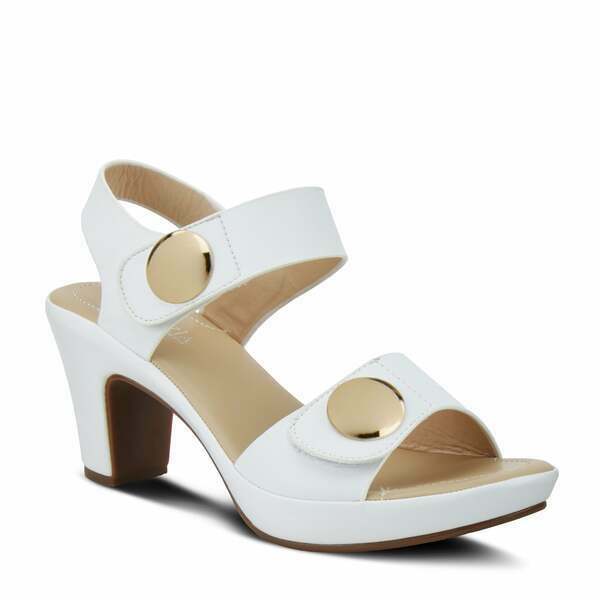
Platform women's high heels have a thicker base under the toes. They add height while reducing pressure on your feet, perfect for parties or nights out.
Choosing the right high heel shoes heels is essential for comfort and style. Here are some tips:
Know Your Size: Always pick heels that fit your feet perfectly. Tight shoes can cause pain, while loose ones may lead to blisters.
Consider the Occasion: Not all women's high heels are for every event. Stilettos for parties, block heels for work, and wedges for casual outings.
Check Heel Height: Beginners may prefer lower heels. As you get used to walking in heels, you can try higher styles.
Comfort Matters: Look for cushioned insoles or soft materials that make footwear with heels easier to wear all day.
Style & Color: Match your high heel shoes heels with your outfit. Neutral colors go with almost anything, while bright heels add a pop of style.
Wearing high heel shoes heels does more than just look stylish. Here are some benefits:
Boosts Confidence: Standing tall and walking gracefully can improve your confidence.
Enhances Posture: Properly designed heels encourage a straighter posture.
Adds Elegance: Heels make legs look longer and outfits appear polished.
Versatile Fashion: From casual to formal, footwear with heels suits every occasion.
Walking in heels can be challenging at first, but with practice, it becomes natural. Follow these tips:
Start Small: Begin with shorter heels and gradually move to higher ones.
Take Small Steps: Don’t rush; smaller steps help maintain balance.
Heel to Toe: Step with your heel first, then roll onto your toes for a smoother walk.
Strengthen Your Feet: Exercises like calf raises can improve balance and reduce foot strain.
Use Insoles: Cushioned insoles make women's high heels more comfortable for long wear.
Proper care ensures your high heel shoes heels last longer. Here’s how to take care of them:
Clean Regularly: Use a soft cloth to remove dust and dirt.
Store Properly: Keep heels upright or in a box to maintain shape.
Avoid Wet Surfaces: Water can damage leather and other materials.
Check Heel Tips: Replace worn-out tips to prevent slips and damage.
High heel shoes heels are versatile and suitable for:
Work & Office: Block heels or kitten heels offer comfort and professionalism.
Parties & Events: Stilettos and platform heels make a stylish statement.
Casual Outings: Wedges or low heels give a chic, relaxed look.
Special Celebrations: Weddings, anniversaries, and dates are perfect for elegant heels.
Q1: How do I choose the right heel height?
A1: Start with lower heels if you’re new. Gradually try higher styles as you get comfortable. Always prioritize comfort.
Q2: Can I wear heels all day?
A2: Yes, but choose cushioned and stable heels like block or wedge heels to reduce strain. Take breaks if needed.
Q3: How do I prevent blisters in high heels?
A3: Make sure your shoes fit properly, use cushioned insoles, and break them in slowly before long wear.
Conclusion
High heel shoes heels are more than just footwear—they are a style statement. From formal events to casual outings, the right footwear with heels can elevate your confidence and complete your look. By choosing the right pair, practicing walking, and caring for your heels, you can enjoy the elegance and charm of women's high heels every day.
Embrace the beauty of heels and step into every occasion with style and confidence!
Isopropyl alcohol is a widely used chemical known for its disinfecting, cleaning, and solvent properties. It is commonly referred to as rubbing alcohol and is found in various household and industrial applications. From medical uses to cleaning electronic devices, this versatile compound plays a significant role in everyday life.
With an effective concentration between 60% and 90%, isopropyl alcohol can eliminate bacteria, viruses, and fungi, making it a reliable disinfectant. But its uses go far beyond that. Whether you need a powerful solvent for industrial purposes or a cleaning agent for personal and household needs, isopropyl alcohol proves to be an essential product.
This article explores its many applications, benefits, and safety precautions.
Isopropyl alcohol (C3H8O) is a colorless, volatile liquid with a strong odor. It is a type of alcohol made from propene, a petroleum-derived compound. Due to its ability to dissolve dirt, grease, and bacteria, it is widely used in different industries, including healthcare, automotive, electronics, and cosmetics.
One of the most common uses of isopropyl alcohol is in the medical field. Hospitals, clinics, and pharmaceutical companies rely on it for sterilization and disinfection.
According to the World Health Organization (WHO), alcohol-based disinfectants are effective in eliminating 99.9% of bacteria and viruses on surfaces.
Many people use isopropyl alcohol as an all-purpose cleaner due to its ability to kill germs and remove stains.
Due to its quick-drying and non-corrosive nature, isopropyl alcohol is commonly used for cleaning electronic devices.
Isopropyl alcohol plays a crucial role in maintaining vehicle performance.
Many industries use isopropyl alcohol as a solvent and cleaning agent.
Laboratories rely on isopropyl alcohol for various scientific processes.
Isopropyl alcohol is also used as a natural insect repellent and mold killer.
Many people confuse isopropyl alcohol with ethanol (ethyl alcohol). Here’s a quick comparison:
| Feature | Isopropyl Alcohol | Ethanol |
|---|---|---|
| Chemical Formula | C3H8O | C2H5OH |
| Common Use | Disinfectant, cleaner, solvent | Drinking alcohol, disinfectant |
| Toxicity | Toxic if ingested | Safe for consumption in regulated amounts |
| Drying Speed | Faster drying | Slower drying |
| Common Concentration | 70% - 99% | 60% - 95% |
Despite its benefits, isopropyl alcohol must be handled carefully.
According to the Centers for Disease Control and Prevention (CDC), inhaling high concentrations of isopropyl alcohol can lead to respiratory irritation and central nervous system depression.
Isopropyl alcohol is a must-have for medical, household, industrial, and personal care purposes. Its powerful disinfecting properties, quick evaporation rate, and versatility make it a valuable product.
From cleaning wounds and electronics to maintaining vehicles and laboratories, its benefits are undeniable. However, it’s essential to follow safety precautions to prevent hazards.
Next time you need an effective cleaner or disinfectant, consider isopropyl alcohol for reliable results.
Carpets play a significant role in enhancing the comfort and aesthetics of our homes and offices. However, they often become repositories for dirt, allergens, and stains due to daily use. Regular carpet shampoo sessions are essential to maintain their appearance and longevity. Let's explore the top seven advantages of consistent carpet cleaning.
Did you know that carpets can harbor up to 200,000 bacteria per square inch? This accumulation can significantly degrade indoor air quality. Regular carpet shampoo treatments remove these contaminants, promoting a healthier living environment. As noted by the Environmental Protection Agency, indoor air quality can be worse than outdoor air, partly due to unclean carpets.
Dirt and debris can wear down carpet fibers over time, leading to premature aging. The Carpet and Rug Institute states that proper maintenance, including shampooing, can double the life of carpets. By scheduling regular carpet shampoo sessions, you protect your investment and keep your carpets looking new.
Spills are inevitable, but they don't have to leave a lasting mark. Regular carpet shampoo treatments can effectively remove stains from coffee, wine, and other common culprits. A study by the Institute of Inspection, Cleaning and Restoration Certification highlights that consistent cleaning makes it easier to eliminate stains entirely.
A clean carpet instantly uplifts the look of any room. Regular shampooing removes dirt and discoloration, restoring the carpet's original vibrancy. The National Institute of Standards and Technology notes that clean carpets contribute significantly to a room's visual appeal.
Carpets can trap allergens like pollen and pet dander, which may trigger respiratory issues. Regular carpet shampoo sessions help reduce these allergens, contributing to a healthier indoor environment. The Asthma and Allergy Foundation of America emphasizes that carpets can trap particles that exacerbate allergy symptoms.
Over time, carpets can develop unpleasant odors from spills, pets, or general use. Regular shampooing neutralizes these smells, leaving your space smelling fresh and inviting. This not only improves the atmosphere but also creates a more pleasant environment for inhabitants and guests.
Moisture trapped in carpets can lead to mold growth, posing health risks. Regular carpet shampoo treatments, especially with proper drying techniques, prevent mold and mildew formation. The Centers for Disease Control and Prevention recommend regular cleaning to prevent mold growth, ensuring a healthier living space.
Selecting the appropriate carpet shampoo method depends on your carpet's material and the type of stains present. Hot water extraction, commonly known as steam cleaning, is effective for deep cleaning, while dry cleaning methods are suitable for delicate fabrics. Consulting with a professional can help determine the best approach for your specific needs.
While DIY carpet shampoo methods can be cost-effective, they may not always deliver the desired results. Professional services have access to industrial-grade equipment and solutions that provide a deeper clean. According to Angela Brown, founder and CEO of Savvy Cleaner Training, "Regular maintenance, like vacuuming, promptly treating spills, and periodic professional cleaning, will keep most carpets clean and extend their life."
The frequency of carpet shampoo treatments depends on factors such as foot traffic, presence of pets, and household members with allergies. Experts recommend deep cleaning carpets at least once every 12 to 18 months. High-traffic areas or homes with pets might require more frequent cleaning.
Vacuum Regularly: Aim to vacuum high-traffic areas two to three times a week and other areas at least once a week to remove surface dirt and prevent it from settling into the fibers.
Address Spills Immediately: Blot spills with a clean cloth to prevent stains from setting.
Use Doormats: Place doormats at entrances to reduce the amount of dirt tracked onto the carpet.
Remove Shoes: Encourage a no-shoe policy indoors to minimize dirt and wear on the carpet.
Regular carpet shampoo treatments are essential for maintaining a clean, healthy, and aesthetically pleasing environment. By investing in routine cleaning, you not only enhance the appearance of your space but also extend the life of your carpets and promote better indoor air quality.
Rubbing alcohol is a household essential with countless uses. From disinfecting surfaces to treating minor cuts, this solution is a must-have. It is widely used in homes, hospitals, and industries due to its strong antiseptic properties. Many people do not realize that rubbing alcohol is not just for medical use; it is also a powerful cleaner, stain remover, and sanitizer.
In this article, we will explore the top 10 uses and benefits of rubbing alcohol, along with safety tips and additional insights.
Rubbing alcohol is a solution made of isopropyl alcohol or ethanol mixed with water. It typically contains 70-99% alcohol, making it an excellent disinfectant. Due to its rapid evaporation and germ-killing properties, it is widely used in households and healthcare facilities.
One of the most common uses of rubbing alcohol is treating minor cuts, wounds, and scrapes. It helps eliminate bacteria, preventing infections. Doctors recommend using 70% isopropyl alcohol for effective germ removal. However, it can cause a stinging sensation when applied directly to the skin.
Keeping surfaces clean is essential for a healthy home. Rubbing alcohol is a strong disinfectant that can kill bacteria and viruses on frequently touched surfaces like doorknobs, countertops, and electronic devices.
✔ Kitchen countertops
✔ Bathroom sinks
✔ Light switches
✔ Remote controls
✔ Mobile phones
Cleaning electronic devices with water is risky. Rubbing alcohol is a safe alternative as it evaporates quickly without causing moisture damage.
💡 Pro Tip: Use a microfiber cloth dampened with rubbing alcohol to clean screens and keyboards effectively.
Ink, grease, and permanent marker stains can be tough to remove. Rubbing alcohol can break down these stubborn stains easily.
💡 Tip: Always test on a small area first to avoid fabric damage.
Odors from shoes, gym bags, or hands can be unpleasant. Rubbing alcohol works as a great deodorizer by killing odor-causing bacteria.
Need an ice pack but don’t have one? Rubbing alcohol can be used to create a flexible ice pack for injuries.
This mixture stays soft even when frozen, making it more comfortable for pain relief.
Removing price tags or stickers can leave behind sticky residue. Rubbing alcohol dissolves adhesive, making removal easier.
💡 This method also works for gum stuck on fabrics!
Microfiber furniture is prone to stains and dirt buildup. Rubbing alcohol is one of the best solutions to clean microfiber without leaving water stains.
Glass surfaces often have streaks after cleaning. Rubbing alcohol dries quickly, leaving a streak-free shine.
✔ 1 cup rubbing alcohol
✔ 1 cup water
✔ 1 tablespoon vinegar
Mix and store in a spray bottle for a homemade window and mirror cleaner.
Bed bugs and lice are hard to eliminate. Rubbing alcohol can kill bed bugs on contact, but it is not a permanent solution.
⚠ Warning: Rubbing alcohol is flammable. Do not spray near open flames.
✅ Sanitizing beauty tools (tweezers, nail clippers)
✅ Disinfecting makeup brushes
✅ Removing nail polish
✅ Cleaning whiteboards
✅ Preventing swimmer’s ear (drying excess water)
🚨 Never mix rubbing alcohol with bleach—it creates toxic fumes.
🚨 Avoid using it on large skin wounds, as it can slow healing.
🚨 Store in a cool, dry place away from heat and flames.
🚨 Use in a well-ventilated area to avoid inhaling fumes.
Rubbing alcohol is an incredibly versatile product that can be used for cleaning, disinfecting, stain removal, and more. Whether you're sanitizing your home or treating minor wounds, it is a reliable and affordable solution.
By following the right precautions and using it correctly, you can make the most of its benefits. Keep a bottle in your home for quick and effective cleaning solutions!
Keeping your oven clean can feel like a monumental task. With baked-on grease, stubborn stains, and hard-to-reach spots, maintaining its shine takes more than just elbow grease. Fortunately, the best oven cleaner solutions available today can make the process effortless. From eco-friendly products to industrial-strength solutions, there’s a perfect cleaner for every need.
Whether you're a seasoned chef or a casual cook, a clean oven doesn’t just look better—it ensures healthier cooking. Let’s explore the top products, tips, and methods to restore your oven to its sparkling best.
The oven is one of the most-used appliances in the kitchen, but it’s also one of the most neglected when it comes to cleaning. Over time, grease and grime build up, leading to unpleasant odors and even smoke during use. A quality oven cleaner eliminates these problems, prolongs the life of your oven, and ensures food safety.
Benefits of Using an Oven Cleaner:
Finding the best oven cleaner depends on your specific needs. Here are some features to consider:
This powerful spray formula is perfect for tackling baked-on grease. It works quickly and doesn’t leave a strong odor behind.
For an eco-friendly option, this plant-based cleaner delivers impressive results without harsh chemicals.
This trusted product cuts through grime and grease effectively. Its foam formula clings to surfaces, ensuring deep cleaning.
Industrial-strength cleaning power makes this a top choice for serious messes.
A no-nonsense cleaner that breaks down grease quickly and efficiently.
Using an oven cleaner properly is crucial for achieving the best results. Follow these simple steps:
Pro Tip: For a DIY alternative, mix baking soda with water to create a paste and apply it to dirty areas. Let it sit overnight and wipe away for sparkling results.
If you’re conscious of your environmental impact, choosing an eco-friendly oven cleaner is a smart move. These products are free from harmful chemicals and often come in recyclable packaging.
Best Eco-Friendly Cleaners:
How often should I clean my oven?
For regular use, clean your oven every three months. Heavy users may need monthly cleaning.
Can I use a DIY cleaner instead of a commercial product?
Yes, a paste of baking soda and water works well for mild stains. However, for tough grease, a professional oven cleaner is more effective.
Are oven cleaners safe for self-cleaning ovens?
Always check the manufacturer’s instructions. Many self-cleaning ovens require specific cleaners to avoid damage.
Can I use an oven cleaner on glass doors?
Yes, but ensure the product is labeled safe for glass to avoid etching.
What’s the fastest way to clean an oven?
Using a spray-on cleaner and letting it sit for 15 minutes before wiping down is the quickest method.
Do natural oven cleaners work as well as chemical ones?
Natural cleaners are effective for light to moderate grime but may require more effort for heavy-duty messes.
Finding the best oven cleaner for your kitchen can make this dreaded chore a breeze. From fume-free sprays to heavy-duty solutions, there’s an option for every cleaning challenge. Regular maintenance, combined with the right cleaner, ensures your oven remains in top condition for years to come.
In today's fast-paced world, reliable cart batteries are essential for various applications, from golf carts to utility vehicles. With so many options available, finding the right battery can feel overwhelming. In this comprehensive guide, we’ll explore the types, maintenance tips, and factors that affect the lifespan of cart batteries. This article will arm you with the knowledge you need to make an informed decision.
Cart batteries are power sources specifically designed for electric carts. These batteries provide the energy needed to operate carts efficiently over long distances. Commonly used in golf carts, utility carts, and even airport transport vehicles, they play a pivotal role in ensuring consistent performance.
"Choosing the right cart batteries ensures your vehicle runs efficiently," says John McAdams, a leading expert in battery technology.
Understanding the different types of cart batteries helps you select the best option.
Lead-Acid Batteries
Lithium-Ion Batteries
AGM (Absorbed Glass Mat) Batteries
| Feature | Lead-Acid | Lithium-Ion | AGM |
|---|---|---|---|
| Maintenance Required | High | Low | Low |
| Weight | Heavy | Lightweight | Moderate |
| Lifespan | 3–5 years | 8–10 years | 5–7 years |
Selecting the right battery requires assessing your specific requirements.
Pro tip: Always check the voltage and amp-hour rating to match your cart’s requirements.
On average, cart batteries last between 3 and 10 years, depending on the type and usage. Factors like proper charging, avoiding over-discharge, and storing them in cool environments can significantly extend their lifespan.
"Regular maintenance is the secret to extending the life of your cart batteries," says Laura Jenkins, an automotive engineer.
Proper care can make all the difference in performance and longevity.
Over time, even the best-maintained cart batteries will need replacement. Look out for:
If you notice these symptoms, consider investing in a new set of cart batteries.
Lithium-ion batteries have gained popularity due to their superior performance:
While they cost more upfront, their efficiency and longevity make them a worthy investment.
Using cart batteries improperly can lead to premature failure. Avoid:
By steering clear of these mistakes, you can maximize your battery’s performance.
What is the ideal type of cart battery for daily use?
Lithium-ion batteries are ideal for daily use due to their durability and low maintenance.
How do I maintain lead-acid cart batteries?
Check water levels regularly, clean terminals, and avoid deep discharges.
Are AGM batteries worth the cost?
Yes, AGM batteries offer maintenance-free operation and a longer lifespan, making them cost-effective in the long run.
How do I know if my cart battery is fully charged?
Use a multimeter to check voltage levels or invest in a smart charger with indicators.
Can I use a regular car battery in my cart?
No, car batteries are not designed for deep-cycle applications and may fail prematurely.
Do cart batteries come with warranties?
Yes, most manufacturers provide warranties ranging from 1 to 5 years, depending on the type.
Choosing the right cart batteries ensures optimal performance, whether for a golf cart, utility vehicle, or other applications. By understanding the types, maintenance needs, and advantages of each battery, you can make an informed decision. Remember, proper care extends the lifespan and saves you money in the long term.