Basket
Clean basketTotal:
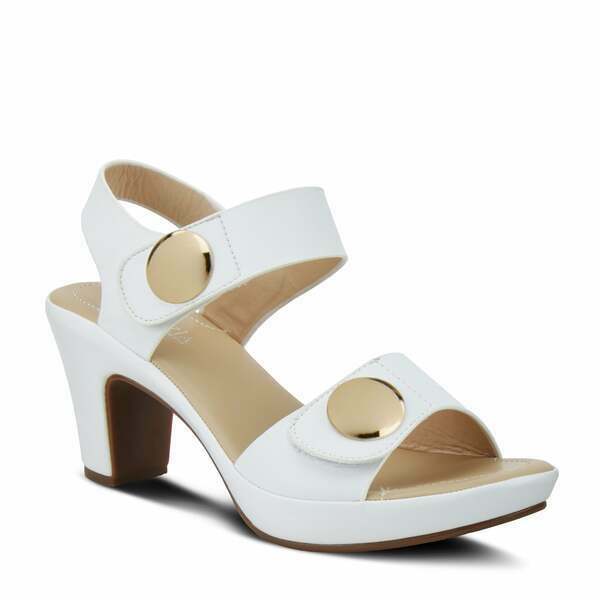
Looking to add elegance and style to your wardrobe? High heel shoes heels are a must-have for every woman. Not only do they make your legs look longer, but they also boost confidence and give your outfit a polished touch. From casual parties to formal events, footwear with heels can transform your look instantly.
Choosing the right women's high heels can be tricky, but once you find the perfect pair, it becomes an essential part of your daily style. In this article, we’ll explore the different types of high heel shoes heels, tips for wearing them comfortably, and why they are so popular in women’s fashion.
When it comes to women's high heels, there are many options to suit every style and occasion. Here are some popular types:
Stiletto high heel shoes heels own for their thin, long heel. They add height and elegance, making them perfect for evening events or fancy dinners.
Footwear with heels like block heels offer more stability. They are easier to walk in and great for office wear or casual outings.
Kitten heels are small and comfortable, yet stylish. If you want the charm of high heel shoes heels without the strain, these are a great choice.
Wedge heels distribute weight evenly, making them comfortable for long hours. They look chic and work well with dresses, skirts, or even jeans.
Platform women's high heels have a thicker base under the toes. They add height while reducing pressure on your feet, perfect for parties or nights out.
Choosing the right high heel shoes heels is essential for comfort and style. Here are some tips:
Know Your Size: Always pick heels that fit your feet perfectly. Tight shoes can cause pain, while loose ones may lead to blisters.
Consider the Occasion: Not all women's high heels are for every event. Stilettos for parties, block heels for work, and wedges for casual outings.
Check Heel Height: Beginners may prefer lower heels. As you get used to walking in heels, you can try higher styles.
Comfort Matters: Look for cushioned insoles or soft materials that make footwear with heels easier to wear all day.
Style & Color: Match your high heel shoes heels with your outfit. Neutral colors go with almost anything, while bright heels add a pop of style.
Wearing high heel shoes heels does more than just look stylish. Here are some benefits:
Boosts Confidence: Standing tall and walking gracefully can improve your confidence.
Enhances Posture: Properly designed heels encourage a straighter posture.
Adds Elegance: Heels make legs look longer and outfits appear polished.
Versatile Fashion: From casual to formal, footwear with heels suits every occasion.
Walking in heels can be challenging at first, but with practice, it becomes natural. Follow these tips:
Start Small: Begin with shorter heels and gradually move to higher ones.
Take Small Steps: Don’t rush; smaller steps help maintain balance.
Heel to Toe: Step with your heel first, then roll onto your toes for a smoother walk.
Strengthen Your Feet: Exercises like calf raises can improve balance and reduce foot strain.
Use Insoles: Cushioned insoles make women's high heels more comfortable for long wear.
Proper care ensures your high heel shoes heels last longer. Here’s how to take care of them:
Clean Regularly: Use a soft cloth to remove dust and dirt.
Store Properly: Keep heels upright or in a box to maintain shape.
Avoid Wet Surfaces: Water can damage leather and other materials.
Check Heel Tips: Replace worn-out tips to prevent slips and damage.
High heel shoes heels are versatile and suitable for:
Work & Office: Block heels or kitten heels offer comfort and professionalism.
Parties & Events: Stilettos and platform heels make a stylish statement.
Casual Outings: Wedges or low heels give a chic, relaxed look.
Special Celebrations: Weddings, anniversaries, and dates are perfect for elegant heels.
Q1: How do I choose the right heel height?
A1: Start with lower heels if you’re new. Gradually try higher styles as you get comfortable. Always prioritize comfort.
Q2: Can I wear heels all day?
A2: Yes, but choose cushioned and stable heels like block or wedge heels to reduce strain. Take breaks if needed.
Q3: How do I prevent blisters in high heels?
A3: Make sure your shoes fit properly, use cushioned insoles, and break them in slowly before long wear.
Conclusion
High heel shoes heels are more than just footwear—they are a style statement. From formal events to casual outings, the right footwear with heels can elevate your confidence and complete your look. By choosing the right pair, practicing walking, and caring for your heels, you can enjoy the elegance and charm of women's high heels every day.
Embrace the beauty of heels and step into every occasion with style and confidence!
Cleaning is an essential part of daily life, whether at home, in the office, or in industrial settings. One of the most commonly used cleaning materials is blue roll. This highly absorbent paper is widely used in commercial kitchens, garages, healthcare facilities, and manufacturing plants. But what makes blue roll so popular? In this article, we explore its benefits, uses, and why it's a must-have for maintaining cleanliness and hygiene.
Blue roll is a large roll of strong, absorbent paper designed for wiping spills, cleaning surfaces, and drying hands. It is typically made from recycled paper and comes in different ply options, such as 1-ply, 2-ply, or 3-ply, depending on the required strength and absorption. Its distinctive blue color makes it easy to identify in workplaces, preventing cross-contamination with other paper products.
✔ High absorbency for liquids, grease, and oil spills
✔ Durable and strong, even when wet
✔ Available in different sizes and thicknesses
✔ Suitable for multiple industries, including food, automotive, and healthcare
Restaurants, catering services, and food production areas rely on blue roll for quick and effective cleaning. It helps in wiping down counters, drying hands, and keeping workstations sanitary. Food spills and grease stains can be easily cleaned without leaving residue.
✅ Used for cleaning stainless steel surfaces
✅ Ideal for soaking up oil and liquid spills
✅ Helps in maintaining food hygiene standards
In garages, workshops, and factories, blue roll is essential for wiping grease, oil, and dirt from machinery and tools. Workers use it to clean hands and surfaces, ensuring a safe and tidy work environment.
🔹 Removes grease and grime from machinery
🔹 Prevents contamination in manufacturing processes
🔹 Keeps tools and workstations clean
Hospitals, clinics, and dental offices require high standards of cleanliness. Blue roll plays a crucial role in maintaining hygiene in these settings. It is used for cleaning medical instruments, wiping surfaces, and drying hands.
🏥 Reduces the spread of bacteria and viruses
🏥 Used in disposable cleaning to maintain hygiene
🏥 Essential in first aid rooms and emergency care units
Many people use blue roll at home for general cleaning tasks. Whether in the kitchen, bathroom, or garage, it helps in wiping surfaces, drying dishes, and cleaning up spills.
✔ Excellent for glass and window cleaning
✔ Can be used for dusting and polishing furniture
✔ Perfect for quick spill absorption
Farms and agricultural industries also benefit from blue roll. It is used for cleaning equipment, drying hands, and maintaining hygiene in dairy and livestock areas. Farmers prefer it because it is strong, absorbent, and easy to use.
🐄 Helps in maintaining cleanliness in milking stations
🐄 Used for wiping machinery and tools
🐄 Essential for veterinary and animal care
The high absorbency of blue roll makes it effective in soaking up liquids quickly. Whether it's water, oil, or chemical spills, this roll ensures surfaces remain dry and clean.
Compared to other cleaning wipes and towels, blue roll is more affordable. Businesses and households can save money by using it for multiple cleaning purposes.
Unlike standard paper towels, blue roll remains strong when damp. It does not tear easily, making it suitable for heavy-duty cleaning.
Using disposable blue roll reduces the spread of bacteria and germs. This is particularly important in food preparation areas and medical facilities.
Many manufacturers now produce blue roll using recycled materials, making it a more sustainable choice. Some rolls are also biodegradable, reducing environmental impact.
Not all blue roll products are the same. Here are a few things to consider before buying:
Yes, blue roll is commonly used in food preparation areas for cleaning surfaces and maintaining hygiene. Always choose food-safe options.
No, blue roll is designed for single-use to prevent contamination and maintain hygiene standards.
Yes, blue roll is absorbent enough for hand drying, making it a great alternative to traditional paper towels.
You can purchase blue roll from supermarkets, online stores, and cleaning supply companies. Many businesses buy in bulk for cost savings.
Yes, blue roll is thicker, more absorbent, and stronger than regular paper towels, making it more effective for cleaning.
Blue roll is a must-have for homes, businesses, and industries. Its versatility, strength, and high absorbency make it one of the best cleaning solutions available. Whether you need it for wiping spills, cleaning surfaces, or maintaining hygiene, blue roll delivers excellent performance. Make sure to choose the right type based on your needs and enjoy a cleaner, more efficient workspace or home.
Plastic straws have become a significant part of daily life, but their environmental impact is alarming. These single-use items contribute to plastic pollution, harming marine ecosystems and taking centuries to decompose. With over 500 million plastic straws used daily in the U.S. alone, the need for sustainable alternatives is more crucial than ever. This article explores the effects of plastic straws, why they are harmful, and the best alternatives for an eco-friendly future.
More than 8.3 billion plastic straws are found on the world’s beaches. Since they are lightweight and non-biodegradable, they often end up in oceans, harming marine life. Unlike other plastics, plastic straws are too small to be recycled efficiently, leading to massive waste accumulation.
Marine animals often mistake plastic straws for food, which can be deadly. Studies show that over 1 million seabirds and 100,000 marine creatures die each year due to plastic waste ingestion. A viral video of a sea turtle with a plastic straw stuck in its nose raised global awareness of this crisis.
A single plastic straw takes around 200 years to break down. Even after decomposing, they turn into microplastics, which contaminate water sources and enter the food chain, affecting human health.
Microplastics from plastic straws have been found in food, water, and even the air. Research suggests that consuming microplastics may lead to health issues like hormone disruption and organ damage.
Many countries have recognized the danger of plastic straws and taken steps to ban or restrict their use.
Paper straws are biodegradable and decompose in weeks. However, they can become soggy quickly, reducing their effectiveness.
These reusable straws are durable, easy to clean, and eliminate plastic waste. Many eco-conscious businesses have adopted stainless steel straws to reduce pollution.
Bamboo straws are natural, biodegradable, and lightweight. They offer a sustainable and stylish alternative to plastic straws.
Glass straws provide a sleek, reusable option. They do not affect the taste of beverages and are easy to clean.
Silicone straws are flexible, durable, and perfect for children. Unlike plastic straws, they do not harm the environment.
Made from ingredients like rice, wheat, or seaweed, edible straws are a fun and sustainable alternative. They dissolve naturally and eliminate waste.
Many companies have taken steps to eliminate plastic straws from their operations:
Refusing plastic straws at restaurants and cafes is the simplest way to reduce waste. Carrying a reusable straw can also help.
Choose brands that prioritize sustainability. Many eco-friendly businesses promote plastic-free alternatives.
Spread awareness about the dangers of plastic straws. Encourage friends and family to switch to reusable options.
Joining beach or river clean-ups helps reduce plastic straws and other waste from polluting the environment.
Plastic straws may seem small, but their impact on the planet is massive. With billions used annually, they contribute to pollution, harm marine life, and threaten human health. The good news is that eco-friendly alternatives are available. By choosing sustainable options, supporting plastic-free businesses, and spreading awareness, we can collectively reduce plastic waste and protect the environment.
A simple change in daily habits can make a big difference. Are you ready to ditch plastic straws for a greener future?
Modern diesel vehicles use AdBlue to lower harmful emissions and meet strict environmental standards. This fluid plays a key role in reducing nitrogen oxide (NOx) emissions, which contribute to air pollution. If you drive a diesel vehicle, understanding AdBlue is crucial for proper maintenance and compliance with regulations.
Many drivers are unaware of how AdBlue works or when they should refill it. Running out of AdBlue can cause engine performance issues and even prevent your vehicle from starting. In this guide, we’ll explain everything you need to know about AdBlue, including how it functions, when to refill it, and its benefits.
AdBlue is a non-toxic, colorless liquid made of 32.5% urea and 67.5% deionized water. It is used in diesel engines with Selective Catalytic Reduction (SCR) technology to reduce emissions. The fluid helps convert harmful NOx gases into harmless nitrogen and water vapor, making diesel engines more eco-friendly.
Many manufacturers, including Mercedes-Benz, BMW, and Ford, equip their diesel vehicles with SCR systems that require AdBlue. It is stored in a separate tank and injected into the exhaust system to neutralize pollutants before they exit the tailpipe.
When AdBlue enters the SCR system, it undergoes a chemical reaction:
This process helps diesel engines meet strict emission standards like Euro 6, which limits the amount of NOx a vehicle can produce.
Using AdBlue is necessary for several reasons:
✔ Reduces Harmful Emissions – It helps lower NOx emissions by up to 90%, improving air quality.
✔ Legal Requirement – Vehicles with SCR systems must use AdBlue to comply with emission laws.
✔ Better Fuel Efficiency – Proper AdBlue use can improve fuel consumption by optimizing engine performance.
✔ Prevents Engine Damage – Running out of AdBlue can trigger warning lights and limit vehicle performance.
The frequency of AdBlue refills depends on your vehicle’s fuel consumption and tank capacity. On average:
Most vehicles alert drivers when AdBlue levels are low. It’s best to refill before the warning light turns red to avoid engine restrictions.
You can find AdBlue at:
✅ Fuel stations
✅ Auto parts stores
✅ Online retailers
✅ Dealerships
It’s available in 1L, 5L, 10L, and 20L containers. Some service stations have AdBlue pumps for direct refills. Always check your vehicle’s manual for refill instructions.
No, most modern diesel vehicles with SCR systems won’t run without AdBlue. If the fluid runs out, the engine may enter limp mode, reducing power and preventing the vehicle from starting.
Some manufacturers set mileage limits once the AdBlue warning appears. If ignored, the engine may shut down until the tank is refilled.
Refilling AdBlue is easy:
Some vehicles may require a manual reset after refilling. Always check your owner's manual for details.
Yes, AdBlue has a shelf life of around 12 to 18 months if stored properly. It should be kept in a cool, dry place away from direct sunlight. High temperatures can degrade the fluid, making it less effective.
If AdBlue appears cloudy or smells unusual, it may be expired and should not be used.
False. AdBlue doesn’t affect engine power or fuel economy directly. It only reduces emissions.
False. Water won’t trigger the chemical reaction needed to break down NOx gases. Using water can damage the SCR system.
False. AdBlue is biodegradable and non-toxic, making it safe for the environment.
Both AdBlue and DEF serve the same purpose. The only difference is branding. AdBlue is a registered trademark of the German Association of the Automotive Industry (VDA), while DEF is the generic term used in North America.
They contain the same 32.5% urea solution and are interchangeable.
✔ Refill Before It’s Empty – Keeping the tank full prevents system errors.
✔ Store Properly – Avoid extreme temperatures to maintain quality.
✔ Use Only Certified AdBlue – Cheap alternatives may damage the SCR system.
✔ Check the Expiry Date – Expired AdBlue won’t work effectively.
AdBlue is a vital component for modern diesel vehicles, helping to reduce harmful emissions and comply with environmental regulations. Keeping an eye on AdBlue levels and refilling on time ensures smooth engine performance and avoids unexpected breakdowns.
By understanding how AdBlue works, where to buy it, and how to refill it, you can keep your diesel vehicle running efficiently while protecting the environment. Always use high-quality AdBlue and follow manufacturer guidelines to avoid costly repairs.
Rubbing alcohol UK is a must-have for homes, workplaces, and medical facilities. It serves as a powerful disinfectant, cleaning agent, and first-aid essential. Whether you need it for sanitizing surfaces, treating minor wounds, or DIY projects, this versatile solution offers countless benefits.
This guide covers everything about rubbing alcohol UK, including its uses, benefits, where to buy it, and how to use it safely.
Rubbing alcohol, also known as isopropyl alcohol, is a liquid solution with strong antibacterial and antiseptic properties. It usually contains 70% to 99% alcohol, making it highly effective against bacteria and viruses.
This solution evaporates quickly, leaving no residue, making it perfect for sanitizing different surfaces.
With its strong antibacterial properties, rubbing alcohol UK is widely used for disinfecting surfaces. It helps eliminate harmful germs from everyday objects, including:
Hospitals and clinics also use it to sanitize medical equipment and prevent infections.
Rubbing alcohol is a staple in first-aid kits. It helps clean minor cuts, scrapes, and wounds by killing bacteria and preventing infections. However, it should not be used on deep wounds, as it can delay healing.
Struggling with stubborn stickers or adhesive residues? Rubbing alcohol UK dissolves glue and sticky marks from plastic, glass, and metal surfaces. It also helps remove ink stains from fabrics and hard surfaces.
Electronics like laptops, mobile screens, and remote controls gather dirt and germs. Isopropyl alcohol (above 90%) is perfect for cleaning these delicate devices, as it evaporates quickly without leaving moisture behind.
Sweat and bacteria cause unpleasant smells. Applying rubbing alcohol UK to shoes, gym bags, or sweaty areas helps neutralize odors instantly.
Rubbing alcohol acts as a quick solution for oily skin and acne. It helps dry out pimples and reduce bacteria, but it should be used sparingly to avoid skin irritation.
Bathrooms and damp areas often develop mold and mildew. Spraying rubbing alcohol UK on affected spots kills fungal growth and prevents it from spreading.
Hand sanitizers contain at least 60% alcohol to kill germs. You can make a DIY hand sanitizer by mixing:
This homemade sanitizer is an effective alternative when store-bought options are unavailable.
Bad shoe odor? Spray some rubbing alcohol UK inside shoes to kill bacteria and eliminate unpleasant smells.
For streak-free windows and mirrors, use rubbing alcohol. It evaporates quickly, leaving a clear and shiny surface.
Many confuse rubbing alcohol with surgical spirit. While both are antiseptics, they have slight differences:
| Feature | Rubbing Alcohol | Surgical Spirit |
|---|---|---|
| Main Ingredient | Isopropyl Alcohol | Ethanol + Additives |
| Strength | 70% - 99% | 90% (with additives) |
| Uses | Disinfection, cleaning | First-aid, skin treatment |
| Smell | Mild | Strong (contains castor oil) |
For general cleaning and disinfecting, rubbing alcohol UK is the better choice due to its fast evaporation and effectiveness.
Finding rubbing alcohol UK is easy, as it is available both online and in stores. Here are some reliable places to purchase it:
Popular chains like Boots, Lloyds Pharmacy, and Superdrug stock isopropyl alcohol, especially for medical and first-aid purposes.
Stores like Tesco, Asda, and Sainsbury’s sometimes carry rubbing alcohol in their pharmacy sections.
E-commerce platforms like Amazon UK, eBay, and Chemist Direct offer a wide range of rubbing alcohol UK options with different alcohol concentrations.
For industrial or large-quantity purchases, stores like Screwfix, B&Q, and RS Components sell high-strength isopropyl alcohol.
While rubbing alcohol UK is useful, it should be handled with care. Follow these safety tips:
Always read the label before use to ensure safe application.
Rubbing alcohol UK is a powerful and versatile solution with multiple household and medical uses. From disinfecting surfaces to cleaning electronics and removing stains, it is an essential product for every home. Whether you buy it from a pharmacy, supermarket, or online store, always choose the right concentration for your needs.
Looking for high-quality rubbing alcohol UK? Make sure to purchase from trusted suppliers to ensure safety and effectiveness.