Basket
Clean basketTotal:
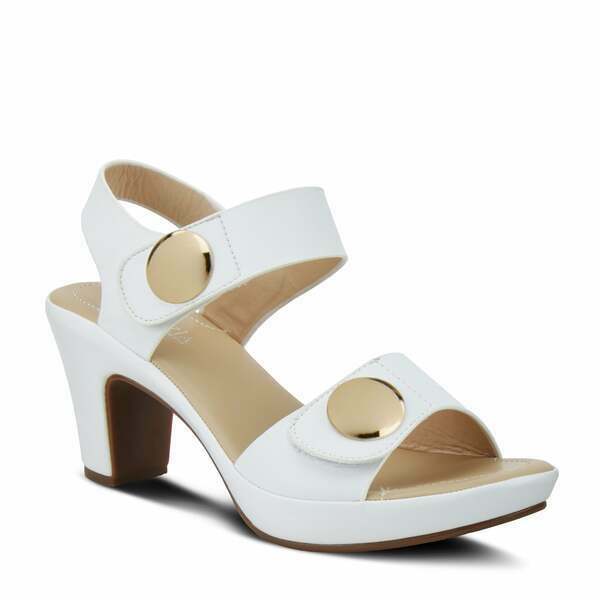
Looking to add elegance and style to your wardrobe? High heel shoes heels are a must-have for every woman. Not only do they make your legs look longer, but they also boost confidence and give your outfit a polished touch. From casual parties to formal events, footwear with heels can transform your look instantly.
Choosing the right women's high heels can be tricky, but once you find the perfect pair, it becomes an essential part of your daily style. In this article, we’ll explore the different types of high heel shoes heels, tips for wearing them comfortably, and why they are so popular in women’s fashion.
When it comes to women's high heels, there are many options to suit every style and occasion. Here are some popular types:
Stiletto high heel shoes heels own for their thin, long heel. They add height and elegance, making them perfect for evening events or fancy dinners.
Footwear with heels like block heels offer more stability. They are easier to walk in and great for office wear or casual outings.
Kitten heels are small and comfortable, yet stylish. If you want the charm of high heel shoes heels without the strain, these are a great choice.
Wedge heels distribute weight evenly, making them comfortable for long hours. They look chic and work well with dresses, skirts, or even jeans.
Platform women's high heels have a thicker base under the toes. They add height while reducing pressure on your feet, perfect for parties or nights out.
Choosing the right high heel shoes heels is essential for comfort and style. Here are some tips:
Know Your Size: Always pick heels that fit your feet perfectly. Tight shoes can cause pain, while loose ones may lead to blisters.
Consider the Occasion: Not all women's high heels are for every event. Stilettos for parties, block heels for work, and wedges for casual outings.
Check Heel Height: Beginners may prefer lower heels. As you get used to walking in heels, you can try higher styles.
Comfort Matters: Look for cushioned insoles or soft materials that make footwear with heels easier to wear all day.
Style & Color: Match your high heel shoes heels with your outfit. Neutral colors go with almost anything, while bright heels add a pop of style.
Wearing high heel shoes heels does more than just look stylish. Here are some benefits:
Boosts Confidence: Standing tall and walking gracefully can improve your confidence.
Enhances Posture: Properly designed heels encourage a straighter posture.
Adds Elegance: Heels make legs look longer and outfits appear polished.
Versatile Fashion: From casual to formal, footwear with heels suits every occasion.
Walking in heels can be challenging at first, but with practice, it becomes natural. Follow these tips:
Start Small: Begin with shorter heels and gradually move to higher ones.
Take Small Steps: Don’t rush; smaller steps help maintain balance.
Heel to Toe: Step with your heel first, then roll onto your toes for a smoother walk.
Strengthen Your Feet: Exercises like calf raises can improve balance and reduce foot strain.
Use Insoles: Cushioned insoles make women's high heels more comfortable for long wear.
Proper care ensures your high heel shoes heels last longer. Here’s how to take care of them:
Clean Regularly: Use a soft cloth to remove dust and dirt.
Store Properly: Keep heels upright or in a box to maintain shape.
Avoid Wet Surfaces: Water can damage leather and other materials.
Check Heel Tips: Replace worn-out tips to prevent slips and damage.
High heel shoes heels are versatile and suitable for:
Work & Office: Block heels or kitten heels offer comfort and professionalism.
Parties & Events: Stilettos and platform heels make a stylish statement.
Casual Outings: Wedges or low heels give a chic, relaxed look.
Special Celebrations: Weddings, anniversaries, and dates are perfect for elegant heels.
Q1: How do I choose the right heel height?
A1: Start with lower heels if you’re new. Gradually try higher styles as you get comfortable. Always prioritize comfort.
Q2: Can I wear heels all day?
A2: Yes, but choose cushioned and stable heels like block or wedge heels to reduce strain. Take breaks if needed.
Q3: How do I prevent blisters in high heels?
A3: Make sure your shoes fit properly, use cushioned insoles, and break them in slowly before long wear.
Conclusion
High heel shoes heels are more than just footwear—they are a style statement. From formal events to casual outings, the right footwear with heels can elevate your confidence and complete your look. By choosing the right pair, practicing walking, and caring for your heels, you can enjoy the elegance and charm of women's high heels every day.
Embrace the beauty of heels and step into every occasion with style and confidence!
Laundry is a daily task, and using the right washing powder makes all the difference. A high-quality detergent removes dirt, stains, and odors while keeping clothes soft and fresh. But with so many brands available, choosing the right one can be confusing.
Some washing powders focus on stain removal, while others prioritize fragrance or eco-friendliness. Whether you need a strong detergent for heavy stains or a gentle option for sensitive skin, this guide will help you make the best choice.
In this article, we will cover:
✔ The top 10 best washing powders in 2025
✔ How to choose the right detergent for your needs
✔ The difference between washing powder and liquid detergent
✔ Eco-friendly options and stain removal tips
Let’s get started!
Washing powder is a powdered laundry detergent used to clean clothes. It contains surfactants, enzymes, and brightening agents to remove dirt and stains. Some formulas also include antibacterial agents for hygiene and fabric softeners for extra care.
Surfactants – Lift dirt and grease from fabrics
Enzymes – Break down stains like sweat, oil, and food
Optical Brighteners – Enhance fabric brightness
Bleaching Agents – Remove stubborn stains and whiten clothes
Fragrances – Leave clothes smelling fresh
Water Softeners – Prevent mineral buildup in washing machines
Washing powders are available in various formulas, including biological, non-biological, and eco-friendly options.
✔ Powerful stain removal
✔ Works well in both hot and cold water
✔ Designed for both front-load and top-load machines
✔ Fights tough stains like grease and mud
✔ Long-lasting fragrance
✔ Suitable for both machine and handwashing
✔ Requires less scrubbing
✔ Gentle on clothes but tough on stains
✔ Leaves no residue after washing
✔ Contains enzymes for deep cleaning
✔ Works in quick wash cycles
✔ Maintains fabric softness and freshness
✔ Eco-friendly ingredients
✔ Strong stain-fighting power
✔ Safe for all fabric types
✔ Keeps whites bright and vibrant
✔ Removes oil and grease stains easily
✔ Budget-friendly option
✔ Refreshing scent that lasts for days
✔ Effective for both hot and cold water washes
✔ Gentle on sensitive skin
✔ Affordable and effective for daily laundry
✔ Works well on tough stains
✔ Keeps clothes soft and smooth
✔ 100% biodegradable and eco-friendly
✔ Hypoallergenic formula for sensitive skin
✔ Safe for baby clothes and delicates
✔ No harsh chemicals or synthetic additives
✔ Gentle on fabrics while cleaning deeply
✔ Ideal for eco-conscious users
Choosing the right washing powder depends on your laundry needs. Here are some key factors to consider:
Front-load machines require low-suds detergents.
Top-load machines work well with most powders.
Hard water needs a detergent with water softeners.
Soft water works with most formulas.
Delicate fabrics need a gentle detergent.
Heavy fabrics require a strong cleaning formula.
Protein-based stains (blood, sweat) need enzyme-based detergents.
Grease stains require powerful surfactants.
Choose scented powders for freshness.
Go for fragrance-free if you have allergies.
| Feature | Washing Powder | Liquid Detergent |
|---|---|---|
| Cleaning Power | Strong on tough stains | Works well in cold water |
| Residue | Can leave residue if not dissolved properly | Dissolves easily |
| Eco-Friendliness | More biodegradable | Some contain plastic-based ingredients |
| Cost | Usually more affordable | Slightly expensive |
If you want cost-effective deep cleaning, washing powder is a great choice. If you need easy dissolving and cold water washing, liquid detergent is better.
✔ Choose hypoallergenic and fragrance-free detergents.
✔ Example: Bio-D Concentrated Laundry Powder.
✔ Pick enzyme-based formulas.
✔ Example: Ariel Matic Washing Powder.
✔ Avoid harsh chemicals and artificial fragrances.
✔ Example: Gain Original Washing Powder.
✔ Opt for powders with optical brighteners.
✔ Example: Rin Advanced Detergent Powder.
✔ Use the Right Amount – Too much detergent can leave residue, while too little may not clean properly.
✔ Dissolve Before Use – For handwashing, mix washing powder with water before adding clothes.
✔ Select the Right Wash Cycle – Heavy-duty cycles work best for deep stains.
✔ Store Properly – Keep detergent in an airtight container to prevent clumping.
Many people are switching to eco-friendly washing powder due to environmental concerns. These powders use biodegradable ingredients and avoid harsh chemicals. Although they can be slightly more expensive, they are safer for both skin and the planet.
✔ Bio-D Concentrated Laundry Powder
✔ Ecover Non-Bio Washing Powder
✔ Foca Phosphate-Free Washing Powder
Choosing the right washing powder can make a big difference in laundry results. Whether you need deep stain removal, fabric protection, or eco-friendly options, there’s a perfect detergent for every need. Use this guide to find the best one for your home and enjoy fresh, clean clothes every day!
Isopropyl alcohol is a powerful and versatile chemical widely used for cleaning, disinfecting, and medical purposes. It is a colorless, flammable liquid with a strong odor, commonly found in households and industries. With a high evaporation rate, it leaves surfaces dry and free from residue. But what makes it so effective? This article will explore its applications, benefits, and precautions to ensure safe usage.
Isopropyl alcohol, also called rubbing alcohol, is a type of alcohol with antiseptic and solvent properties. It is made by combining water and propylene. The most common concentrations are:
70% isopropyl alcohol – Ideal for disinfecting as it kills bacteria and viruses effectively.
99% isopropyl alcohol – Used for industrial cleaning, electronics, and medical applications.
It evaporates quickly, making it a preferred choice for sanitization.
Isopropyl alcohol is widely used for cleaning surfaces in homes, hospitals, and industries. It eliminates bacteria, fungi, and some viruses. According to the CDC, a 70% alcohol solution is more effective at killing germs than higher concentrations.
It is commonly found in first aid kits to clean minor cuts and wounds. It helps prevent infections by killing bacteria before they enter the skin. However, it should not be applied to deep wounds or burns.
Due to its quick evaporation, isopropyl alcohol is used to clean electronics. It removes dust, grease, and grime from circuit boards, keyboards, and screens without leaving moisture.
Removes adhesive residues from car surfaces.
Cleans fuel injectors when added to fuel.
De-ices windshields in winter.
Many commercial hand sanitizers contain isopropyl alcohol as a key ingredient. A concentration of 60-70% effectively kills germs and bacteria.
It is used for:
Cleaning glass and mirrors without streaks.
Removing permanent marker stains.
Disinfecting bathroom and kitchen surfaces.
Industries use isopropyl alcohol for sterilizing medical equipment, cleaning machinery, and as a solvent in chemical processes.
Unlike water-based cleaners, isopropyl alcohol dries quickly, making it perfect for delicate surfaces like electronics and lenses.
A 70% solution can kill 99.9% of germs, making it a reliable disinfectant for healthcare and household use.
It is used in multiple industries, from medical to automotive, making it one of the most widely used alcohol-based solutions.
Compared to other disinfectants, isopropyl alcohol is affordable and readily available in pharmacies and supermarkets.
Even though isopropyl alcohol is highly effective, it must be used with caution. Here are some essential safety tips:
Avoid direct inhalation – Prolonged exposure to fumes can cause dizziness or headaches.
Use in a well-ventilated area – This prevents the buildup of toxic vapors.
Keep away from flames – It is highly flammable and should not be used near open flames or sparks.
Do not ingest – Swallowing isopropyl alcohol can be toxic and lead to severe health issues.
Store properly – Keep in a tightly sealed container, away from children and pets.
| Feature | 70% Isopropyl Alcohol | 99% Isopropyl Alcohol |
|---|---|---|
| Disinfecting Power | Highly effective | Less effective on some bacteria |
| Evaporation Rate | Slower | Faster |
| Best For | Skin, surfaces, medical use | Industrial cleaning, electronics |
| Flammability | High | Very high |
| Price | More affordable | Slightly expensive |
For disinfecting purposes, 70% isopropyl alcohol is the best choice. For industrial and technical uses, 99% isopropyl alcohol is more suitable.
Yes, but with caution. Isopropyl alcohol can dry out the skin if used excessively. Dermatologists recommend using it only when necessary and applying a moisturizer afterward. It is safe for external use but should never be used as a long-term skincare solution.
The global isopropyl alcohol market is expected to reach $5.3 billion by 2028 due to its increasing demand.
Hospitals use millions of gallons annually for sterilization and cleaning.
It was first produced in 1920 by Standard Oil as a byproduct of petroleum refining.
Yes, it can be diluted with water, but the concentration determines its effectiveness.
Yes, but rubbing alcohol may contain additional ingredients like water or fragrances.
Yes, but use a 70% solution and apply it to a microfiber cloth before wiping the screen.
No, it is toxic if ingested by pets and can cause irritation if applied to their skin.
Isopropyl alcohol is an essential product with a wide range of uses in cleaning, medical, and industrial applications. Whether disinfecting surfaces, sterilizing medical equipment, or cleaning electronics, it offers a fast and effective solution. However, proper safety measures must be followed to prevent harm. By choosing the right concentration and using it responsibly, you can make the most of this powerful solvent.
Rubbing alcohol is a staple in many households, known for its strong disinfecting properties. It contains isopropyl alcohol or ethanol, making it a powerful antiseptic and cleaning agent. With an alcohol concentration of 70% or higher, it can kill bacteria, viruses, and fungi on contact.
People mainly use rubbing alcohol for first aid, but its benefits go far beyond treating minor wounds. It can clean electronics, remove stains, eliminate odors, and even kill pests. Knowing how to use it properly can save you time, effort, and money on expensive cleaners.
This guide will explore seven of the best uses of rubbing alcohol, along with essential safety tips.
One of the most effective uses of rubbing alcohol is disinfecting surfaces. Studies show that rubbing alcohol can kill 99.9% of bacteria and viruses within seconds. This makes it an excellent alternative to commercial disinfectants.
Kitchen: Wipe down cutting boards, countertops, and appliance handles.
Bathroom: Clean toilet seats, sinks, and showerheads.
Office: Sanitize desks, keyboards, and office supplies.
Public Areas: Disinfect shopping cart handles, gym equipment, and car interiors.
Pour rubbing alcohol onto a clean cloth or spray bottle.
Wipe the surface thoroughly and let it air dry.
Avoid rinsing, as the alcohol needs time to kill germs.
Note: Avoid using rubbing alcohol on painted or varnished surfaces, as it can cause damage.
Doctors and medical professionals recommend rubbing alcohol as a reliable antiseptic for treating minor cuts and scrapes. It works by killing bacteria, reducing the risk of infections.
Wash the wound with clean water.
Apply a small amount of rubbing alcohol using a cotton ball.
Let it dry before covering the wound with a bandage.
Do not apply rubbing alcohol to deep wounds or burns.
Avoid using it on sensitive skin, as it can cause irritation.
Medical Expert Quote:
"While rubbing alcohol is great for disinfecting minor wounds, it can delay healing if used too frequently," says Dr. Karen Brooks, a dermatology specialist.
Removing adhesive residue from price tags, stickers, and tape can be frustrating. Rubbing alcohol breaks down sticky substances, making them easy to wipe away.
Glass and plastic surfaces: Removes sticker glue from bottles and windows.
Furniture: Cleans off gum and sticky messes.
Whiteboards and walls: Erases permanent marker stains.
Pour a few drops of rubbing alcohol onto a cotton ball.
Rub the affected area gently.
Wipe with a clean cloth for a spotless finish.
Pro Tip: Avoid using rubbing alcohol on painted walls, as it may remove the paint.
Bacteria and fungi are the main causes of bad odors. Since rubbing alcohol kills these microbes, it works as an effective deodorizer.
Shoes: Spray the inside to kill odor-causing bacteria.
Clothing: Dab on smelly areas like underarms.
Upholstery and carpets: Remove pet odors and musty smells.
Mix equal parts of rubbing alcohol and water.
Pour into a spray bottle.
Lightly mist over the area and let it air dry.
Did You Know?
A study found that rubbing alcohol eliminates odors better than many commercial air fresheners.
Fingerprints and dust make screens look dirty. Since rubbing alcohol evaporates quickly, it cleans without leaving streaks or residue.
Smartphones and tablets: Removes fingerprints and smudges.
Laptops and keyboards: Disinfects and removes dust.
Eyeglasses and camera lenses: Provides a crystal-clear shine.
Dampen a microfiber cloth with rubbing alcohol.
Wipe the screen or glass surface gently.
Let it dry naturally before using.
Safety Tip: Never apply rubbing alcohol directly onto screens; always spray it onto a cloth first.
People with oily skin often struggle with acne. Rubbing alcohol helps dry out pimples by reducing oil and killing bacteria. However, it should be used in moderation.
Dip a cotton swab in rubbing alcohol.
Apply it to pimples (avoid the entire face).
Wait a few minutes before rinsing with water.
Overuse can lead to excessive dryness and irritation.
Not recommended for people with sensitive skin.
Skincare Expert Insight:
"For acne treatment, a diluted form of rubbing alcohol is safer, as full strength can cause irritation," advises dermatologist Dr. Emily Carter.
Rubbing alcohol is a natural insect killer. It dehydrates and eliminates pests like bed bugs, lice, and dust mites.
Spray rubbing alcohol directly onto bed bugs.
Wipe furniture to kill dust mites.
Apply to pet collars to repel fleas (consult a vet first).
Warning: Never use rubbing alcohol near an open flame, as it is highly flammable.
While rubbing alcohol is a powerful disinfectant, it must be used with caution. Follow these guidelines for safe usage:
✅ Use in a well-ventilated area to prevent inhaling fumes.
✅ Keep away from flames and heat sources, as it is highly flammable.
✅ Avoid contact with eyes and deep wounds to prevent irritation.
✅ Store in a cool, dark place away from children.
Rubbing alcohol is a multipurpose household essential that offers countless benefits. From disinfecting surfaces to treating acne, its versatility makes it a valuable addition to any home. With proper usage, it can help improve hygiene, clean stubborn stains, and even control pests.
By following the right safety measures, you can make the most of rubbing alcohol and keep your surroundings cleaner and healthier. Keep a bottle handy—you never know when you'll need it!
A pizza box is more than just a simple container. It plays a crucial role in food delivery, keeping pizza hot, fresh, and protected. Made from durable corrugated cardboard, it ensures safe transportation while also serving as a branding tool for businesses. But did you know that a pizza box has many other uses beyond just holding pizza? From recycling ideas to eco-friendly alternatives, let's explore the many benefits of this essential packaging.
A pizza box is designed to maintain the perfect temperature and texture of your pizza. The ventilated design allows moisture to escape, preventing sogginess while keeping the crust crispy. The corrugated cardboard also traps heat, ensuring that your pizza stays warm until it reaches your table.
For pizzerias, a pizza box is an effective marketing tool. It provides free advertising space and reinforces brand identity with custom logos, colors, and slogans. A well-designed box can attract more customers and leave a lasting impression.
Expert Opinion:
"A creatively designed pizza box not only delivers food but also delivers brand recognition," says Mark Thompson, a packaging industry expert.
While a pizza box is made from recyclable material, grease and food residue often make it hard to recycle. However, there are eco-friendly solutions that make disposal easier.
Did You Know?
Over 3 billion pizza boxes are used each year in the U.S. alone, creating 600,000 tons of waste. Switching to sustainable packaging can help reduce this impact.
Instead of throwing it away, a pizza box can be repurposed into many creative projects. Whether for kids' crafts or home DIY, the possibilities are endless.
A pizza box not only protects food but also ensures it remains safe for consumption. Food-grade materials prevent harmful chemicals from contaminating your meal.
Not all pizza boxes are the same. Businesses need to choose the right type based on size, material, and branding requirements.
With the rise of online food delivery, a pizza box plays a major role in ensuring a smooth customer experience. It prevents damage during transport and retains heat for extended periods.
The pizza box has undergone significant changes since its invention. From basic cardboard containers to advanced heat-resistant designs, it continues to improve.
Recycling a pizza box depends on its condition. Clean cardboard can be recycled, while greasy or food-stained boxes should be composted or disposed of properly.
Interesting Fact:
Only 27% of pizza boxes are actually recycled, even though most of them can be repurposed.
Proper disposal of a pizza box reduces waste and helps the environment. Knowing the right way to get rid of it can make a difference.
A pizza box does much more than just carry your favorite pizza. It keeps food fresh, supports branding, and contributes to the food industry. With so many creative and eco-friendly uses, it’s clear that this simple box plays an essential role in everyday life. Whether you use it for DIY projects or choose a sustainable option, a pizza box is more useful than you ever imagined.