Basket
Clean basketTotal:

Le Réseau canadien de DÉC (RCDÉC) est membre du Réseau intercontinental de promotion de l’économie sociale solidaire (RIPESS) depuis 2002. Bien que nous n’ayons pas été impliquées dans les deux premières rencontres sur la mondialisation de la solidarité (Lima, Peru en 1997 et Québec en 2001), le RCDÉC a joué un rôle de chef de file... Lire la suite »

In line with the Philippine Government’s initiative to improve its performance in Ease of Doing Business (EOBD), and to enhance its services to its members, Pag-IBIG Fund came up with the electronic payment and collection facility (EPCF) to streamline the payment process for its members savings and short-term loan amortizations, resulting in enhanced and improved […]
The post Pag-IBIG Fund provides members e-facility for savings and loans appeared first on ADFIAP.
Les objectifs de cette journée poursuivre la dynamique régionale visant à inscrire l'achat public comme un outil au service des politiques publiques, du développement territorial, du mieux vivre, redonner confiance aux entreprises et leur donner des informations sur les petits, les moyens et les grands projets à venir, mettre en relation les besoins des acheteurs publics et l'offre des fournisseurs responsables. Retrouvez le programme complet Inscriptions en ligne Contact contact@apes-hdf.org (...) - Agenda
In this episode we spoke with Peter Macfadyen, one of the architects behind Flatpack Democracy, a do-it-yourself guide to creating independent politics.
|
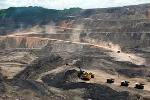
Colombia’s National Development Plan 2014-2018 prioritizes the development of the different productive sectors, mainly the infrastructure sector, energy and mining, as well as hydrocarbons, encouraging the participation of private firms. The Colombian government proposes that the mining-energy and hydrocarbon sectors will play a key role in ensuring sustained and inclusive economic development, as they will generate significant resources to finance investments that serve to consolidate peace and fight against inequality. However, the productive sectors mentioned have been one of the main focuses of social conflict in the country because of their impact on human rights and the environment.

daniel