Warenkorb
Warenkorb leerenGesamt:
Pôle emploi et l’UDES ont signé le 9 mars une convention pour la période 2017-2020.
Elle vise à associer les compétences et le savoir-faire des 2 organisations pour concourir aux objectifs prioritaires consistant à :
- renforcer la visibilité, l’attractivité des métiers de l’ESS auprès des demandeurs d’emploi et présenter ses opportunités d’emploi ;
- accompagner les employeurs de l’ESS dans leurs opérations de recrutement.
Ce partenariat vise également à répondre aux enjeux liés aux besoins de recrutement et de professionnalisation des salariés de l’ESS.
Il s’articule autour des 5 axes de collaboration suivants :
1. Le renforcement de la connaissance des opportunités d’emploi de l’économie sociale et solidaire par les conseillers de Pôle emploi : développement d’outils et de formation sur mesure ;
2. La promotion des offres d’emploi du secteur de l’ESS auprès des demandeurs d’emploi ;
3. La valorisation du secteur, des métiers et des opportunités d’emploi de l’ESS grâce aux services digitaux ;
4. L’intégration des caractéristiques des modèles entrepreneuriaux de l’économie sociale et solidaire dans l’offre de services Pôle emploi ;
5. L’expérimentation sur un territoire d’un rapprochement entre entreprises de l’ESS et demandeurs d’emploi pour raccourcir les délais de retours à l’emploi.

Yuki, Maëlle, Maxime, Aurélie, tous défendent leurs propres droits via le militantisme associatif. Comment vit-on son engagement quand la cause c’est soi-même ?
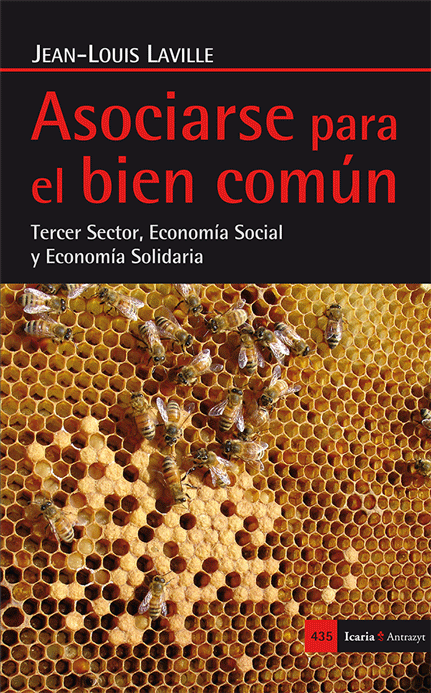
FICHA DEL LIBRO
Asociarse para el bien común
Tercer sector, Economía Social y Economía Solidaria
AUTOR: Jean-Louis Laville
MATERIA: Economía solidaria
COLECCIÓN: Antrazyt, 435
ISBN: 9788498886863
Año Publicación: 2015
PP: 216
PVP: 19 €
WEB: Enlace al libro

On invitation and funding support by the Japan National Tourism Organization (JNTO), ADFIAP, represented by its Secretary General, Octavio B. Peralta, participated in the 5-day ‘Meet Japan’ convention trade mart and study tour program that introduced the country’s international convention cities to eleven international association executives. 20 participating convention cities, which were part of the […]
The post ADFIAP participates in ‘Meet Japan’ convention trade mart & study tour program appeared first on ADFIAP.
|
The economic empowerment of women is the priority theme for the 2017 UN Commission on the Status of Women with special attention to the empowerment of indigenous women.
The struggle to empower women and to combat gender inequality goes hand in hand with the struggle for women’s human rights. The increasing application of human rights instruments from local to global continues to be the hallmark of organizing that crosses sectors, policy tracks and borders. The work of human rights advocates and defenders has required establishing new rules and systems as well as removing discrimination and bias in the application of existing ones. This is as relevant across territorial borders as within them and the gap between transnational economic activities and global economic governance can magnify inequalities or nullify measures to overcome them. As economies are operating across or without borders so too must the human rights instruments and frameworks - the norms and standards that apply equally to the powerful and powerless.

daniel