Carrito de compras
Limpiar carrito de comprasTotal:
|
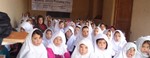
More than 9 million Afghans (over one third of the population) are not able to meet their basic needs and many more people are highly vulnerable to becoming poor because of the ongoing conflict and heavy reliance on agriculture and international aid as well as the lack of clear pro-poor policies. Women’s participation in the national Parliament (27%) is well above the global average of 21.8 percent, but gender norms in the culture and long walking distances to school in rural areas still prevent many girls to access education and violence against women remains a daunting challenge.
The Afghan civil society report acknowledges that the country “has received an unprecedented amount of international development aid over the past 14 years”. This huge aid inflow “has benefited the country, buy it has also brought problems: corruption, fragmented and parallel delivery systems, poor aid effectiveness and weakened governance.”

daniel

0no comments yet
Por favor, escribe las dos palabras debajo